Milk Thistle

There are over 3,000 research results for milk thistle and its components listed in the U.S. National Library of Medicine‘s Pubmed online database – the world’s largest online medical library. Based on this research, milk thistle is the most recommended herb and supplement for liver health.
- Milk Thistle Uses
- Milk Thistle Benefits
- Milk Thistle for Liver Detox
- How Does Milk Thistle Work?
- Milk Thistle Side Effects
- What Types are Available?
- Silybin vs. Silymarin: Is There a Difference?
- What is Standardized Milk Thistle?
- Which Formula is the Best and Most Effective?
- Milk Thistle Tea
Milk Thistle Uses
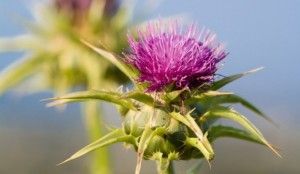
Milk thistle is an herbal supplement that is claimed to have numerous health benefits. However, it is primarily known for protecting your liver against alcohol, pollutants and other toxins, helping to regenerate healthy liver cells and improve your overall liver function.
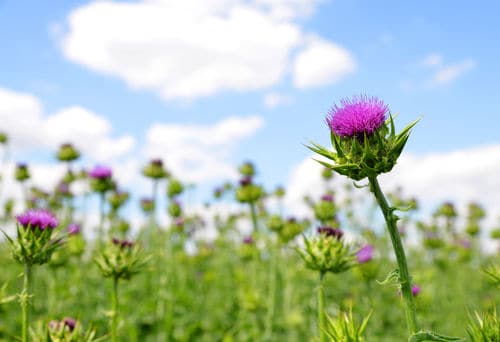
For over 2,000 years, milk thistle has been used as a natural treatment for liver disorders. The plant is known in scientific circles as the Silybum marianum (L.) Gaertner (syn. Cardous marianus), but it is more commonly known as “milk thistle,” “St. Mary Thistle,” “Holy Thistle” and “Lady’s Thistle.” It is an herbaceous annual or biennial plant belonging to the Asteraceae family that can grow to be ten feet tall with flowers that are red and purple in color.
Milk thistle gets its name from the milky white fluid that comes from the plant’s leaves when they are crushed. It is native to southern Europe, southern Russia, Asia Minor, and North Africa, and has also been naturalized to North and South America.
Europeans were among the first to use these herbal seeds as a treatment for liver disorders. However, the plant’s remedial capabilities have been known since ancient times. Milk Thistle was mentioned by Theophrastus in the 4th century B.C. by the name of “Pternix” and it was also referred to by Pliny the Elder in the 1st century A.D. by the name of “Sillybum.” Additionally, in 1744, Von Haller documented the specific use of the plant for liver disorders in its “Medizinischen Lexicon.” In more recent years, many authors such as Johann Gottfried Rademacher, Volker Schulz, and Henry Leclerc mention the benefits of Silybum Marianum when used as a treatment of liver diseases as well as in the treatment of disorders of the bile duct and spleen.
Milk Thistle Benefits
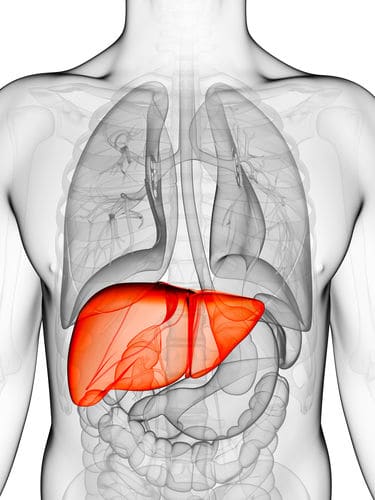
Over the past fifty years, intensive chemical, pharmacological and clinical research has confirmed the mechanisms of action and therapeutic value in a wide range of human liver-related and non-liver-related conditions. Literally thousands of modern research studies have confirmed the remarkable ability of this herb to protect the liver and the body against virtually all types of damage.
Additionally, the National Institutes of Health (NIH) have cataloged more than 1,000 scientific studies of milk thistle and its active compounds in their medicine database. These studies reflect what generations past knew and depended on – that milk thistle is one of the most valuable and beneficial herbal remedies and treatments available anywhere in the world.
Today, it is still one of the most commonly used medicinal plants in the world and is also the number one recommended natural herb for liver health. In fact, in Europe, it is a prescribed medication. Milk thistle extract is prescribed to treat mushroom poisoning, alcoholic cirrhosis, chronic hepatitis, drug and alcohol-induced liver damage and acute viral hepatitis, just to name a few.
Milk thistle extract is used to maintain liver health and to protect the liver from the effects of toxins such as alcohol, a polluted environment or workplace, and a host of liver related diseases.
Liver related conditions indicating the use of milk thistle are varied, including, but not limited to:
- Alcoholic cirrhosis
- Chronic active hepatitis
- Drug and alcohol induced liver damage
- Acute viral hepatitis
- Fatty liver, nonalcoholic fatty liver disease (NAFLD), and nonalcoholic steatohepatitis (NASH)
- Fibrosis and Cirrhosis
- Hepatic toxicity caused by steroid usage
- Environmental sensitivities and toxins
- A medical condition that necessitates the use of hepatotoxic medications
- Regular moderate-to-heavy alcohol use
Additionally, experimental and clinical studies have proven that milk thistle extracts also have the following non-liver related benefits:
- Lowers cholesterol levels, which benefits the heart
- Reduces the growth of cancer cells in breast, lung, colon, prostate, cervical and renal cancers
- Functions as a therapeutic agent for the prevention of Alzheimer’s disease
- Improves blood sugar levels
- Contains numerous anti-aging properties
- Reduces cell damage caused by radiation and chemotherapy treatments
- Supplements sunscreen protection and may be useful against multiple types of skin disease
- Works as a free radical scavenger and powerful antioxidant
- Reduces hot flashes and other related menopausal symptoms
- Helps with intestinal / indigestion issues
- Reduces the effects of deathcap mushroom (Amanita phalloides) poisoning
Milk Thistle for Liver Detox
There is a great deal of confusion when we say milk thistle detoxes your liver. People always ask, “Isn’t it the liver’s job to detox the body? How can the liver itself need a detox?”
It certainly is the liver’s job to detox the body, and all things being equal you would not need to take supplements to keep it clean and functioning at optimum. Paleolithic man probably did not need to engage in a milk thistle liver detox, for example—though they might have eaten it, as every part of the plant is edible. Our ancestors enjoyed clean water, air, and land. There was no alcohol for them to indulge in. Food wasn’t stuffed with preservatives. They never were exposed to secondhand smoke, didn’t use chemical cleaners and weren’t surrounded by chemicals in everything from furniture to flooring.
Fast-forward to today. In the modern era, our livers are under constant assault. This “powerhouse of the body” does continue the work of cleansing your body and blood. It’s just being overloaded. Eventually, the liver takes on more toxins than it can handle and gets damaged.
Think about your office at work. You might have an “in box” where you store work that has yet to be done. When there is a manageable amount of work in the “in box” you are happy and effective. There’s no stress. You can get everything done with ease. It’s your job to process whatever is in your box, and you do.
But when the “in box” is overflowing you’re overwhelmed, stressed out, unhappy and less able to concentrate. You can hardly function because of all the backlog. You don’t do your job quite so well anymore, which only makes you less able to process everything that’s causing the problem.
The liver is the same way.
Milk thistle helps to offer this vital organ the support it needs. This, in turn, will help the liver finally start processing its “backlog” of toxins, so to speak. As the liver processes the stored toxins it grows stronger and is better able to handle everything life throws at it. Indeed, the damage it may have taken on while it was overwhelmed can even be healed and reversed. It can literally help you regenerate your liver.
How Does Milk Thistle Work?
The seeds contain a bioflavonoid complex known as silymarin. Silymarin, which is the active ingredient, is simply the purified extract of the fruits (seeds) of the plant. It is responsible for the main medical benefits and it is made up of three main flavonoids:
- silybin – also known as silibinin
- silydianin – also known as silidianin
- silychristin – also known as silicristin
Silybin makes up 50% – 70% of silymarin and has been shown in clinical studies to be the most biologically active and beneficial constituent of the extract, silymarin, responsible for roughly 70% of milk thistle’s total health benefit.
Double blind studies on the effect of milk thistle on toxic liver damage (mostly alcohol-related), chronic liver disease and disease caused by certain drugs have been reviewed by medical experts. The experts all concluded that milk thistle is an extremely therapeutically useful medicinal plant product that stabilizes the cell membrane and stimulates protein synthesis while accelerating the process of regeneration in damaged liver tissue. These effects are important in it’s therapeutic efficacy.
According to other studies, this powerful herb may protect the cells of the liver by blocking the entrance of harmful toxins and helping remove these toxins from liver cells. As with other flavonoids, it is a powerful antioxidant which works to maintain health and energy by protecting the body from damage caused by free radicals and lipid peroxidation, which can injure healthy cells and tissues. Just as grapes and red wine, for example, are touted as excellent sources of antioxidants, milk thistle also contains the properties needed to offer the body the same antioxidant benefits.
Side Effects
One of the best things about milk thistle is its gentle nature. Compared to many other supplements and herbal remedies that bring with them side effects such as headaches, virtually all parts of the plant have been used with no reports of toxicity. Adverse effects in clinical and lab studies related specifically to the seed extract (silymarin) are also virtually nonexistent, although it may have a mild and short-lived laxative effect for some people. It can be used safely and effectively by a wide range of people. However, if you have a ragweed allergy, you should also avoid milk thistle as it may lead to an allergic reaction.
What Types are Available?
Milk thistle in capsules come in 3 forms.
- Milk Thistle Seed is merely the crushed up seeds of the milk thistle plant. This is of very little value to you and you should avoid buying this.
- Milk Thistle standardized to 70% or 80% silymarin. Silymarin is milk thistle’s secret weapon. This extract of the plant is a natural antioxidant compound and detoxifier. In the U.S. milk thistle with silymarin is standardized to contain 70% or 80% silymarin.
- Silybin Based Milk Thistle. Silybin is the silver bullet.The silybin flavonoid has been proven in hundreds of clinical trials to provide up to 70% of milk thistle’s health benefits to your liver and entire body. If you are going to supplement with milk thistle, silybin based is the best available.
First look for a silybin based product. If you can’t find one, then look for a silymarin based product.
What is Standardized Milk Thistle?
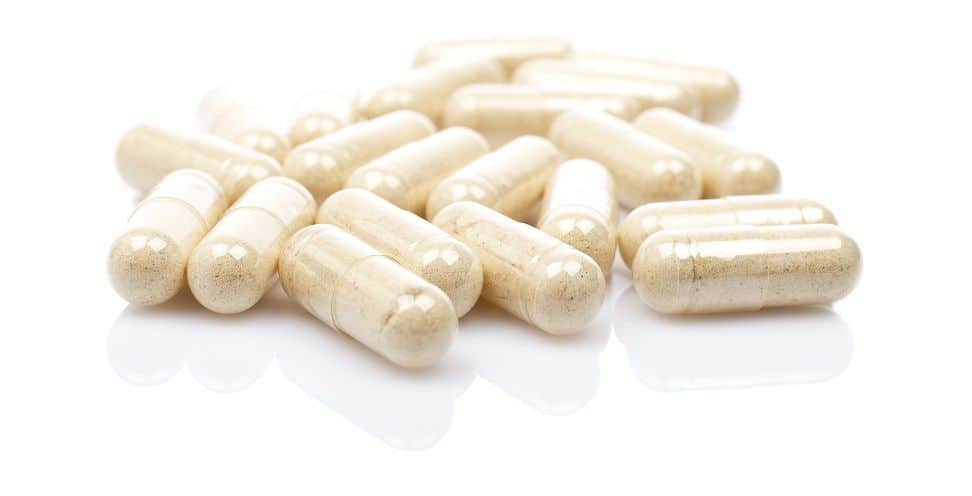
Milk thistle as an herb is made up of both active and inactive ingredients in varying amounts, with the active ingredients providing all of the supplement’s benefits and therapeutic value. When purchasing a non-standardized product, you have no way of knowing what proportion of active to inactive ingredients will be present in the final product.
Thus, to ensure consistency throughout the herbal supplement market, this herb is available in a standardized form. When purchasing a standardized product, you are supposed to receive the same proportion of the active and beneficial ingredients to inactive ingredients each and every time.
Today, most standardized milk thistle products sold in the United States are standardized to reflect 80% silymarin. This means that silymarin, the active ingredient, makes up 80% of the total weight of the product, and the inactive ingredients make up the remaining 20%. So if you purchase a standardized product that is 250 milligrams of 80% standardized silymarin, you would actually have only 200 milligrams of the active, beneficial ingredient.
It is important to understand this so that you know what you are comparing when you are looking at different products to determine those that offer the best value and those that offer the best concentration of the active ingredient.
Which Formula is the Best and Most Effective?
Many products are available in health food stores, drug stores, and on the Internet, but none of them are very bioavailable. This means they are not absorbed well by the body. A person would therefore need to ingest large amounts to experience its beneficial effects. This is not only impractical, but can also become quite expensive.
The solution is the patented, highly-absorbable, all-natural, standardized, pharmaceutical grade formula found in Maximum Milk Thistle® and UltraThistle®. It is superior to all other milk thistle products in 2 key areas.
- It only contains the silybin from the plant. Silybin is the single most beneficial ingredient of the plant and is responsible for roughly 70% of all of milk thistle’s health benefits.
- It allows more of the silybin to be absorbed by your body. It can be thought of as a supercharged delivery system. It takes the silybin and delivers it through your body in a way that increases its absorption into your body’s tissues and cells. It delivers up to 10 times more silybin and produces up to 20 times the efficacy and protection as compared to other standardized products. Learn more about Maximum Milk Thistle or the world’s highest-potency formula, UltraThistle.
Maximum Milk Thistle and UltraThistle™ give your body a turbo-charged boost of the most effective part of the milk thistle product and ensure that – over time – your body will respond to the increased absorption rate and higher silybin concentration much more readily than with other products available on the market.
Milk Thistle Tea
Enjoying your milk thistle in tea form is a great addition to taking it in capsule form. Though it’s harder to control the dose this way, it is safe; all parts of the plant are edible and have been used as a regular part of people’s diets for centuries.
Like the supplement, milk thistle tea carries a host of benefits. In addition to helping your liver, it helps with cholesterol levels, boosts your heart health, regulates blood sugar levels and increases metabolism. People who suffer from anxiety or migraines often find tea to be extremely helpful as well.
What does it taste like? Milk thistle tea has a sharp, almost bitter taste, so add a bit of stevia or honey if necessary. You can also brew it with other herbs that support your liver. LongeviTeas – Liver Detox Tea contains is a delicious tasting tea that includes milk thistle plus 5 liver protective herbs that gently remove toxins from your body while supporting and protecting your liver’s health. There’s no caffeine in milk thistle or the liver detox tea, so you can enjoy either tea without having to worry about staying up all night.